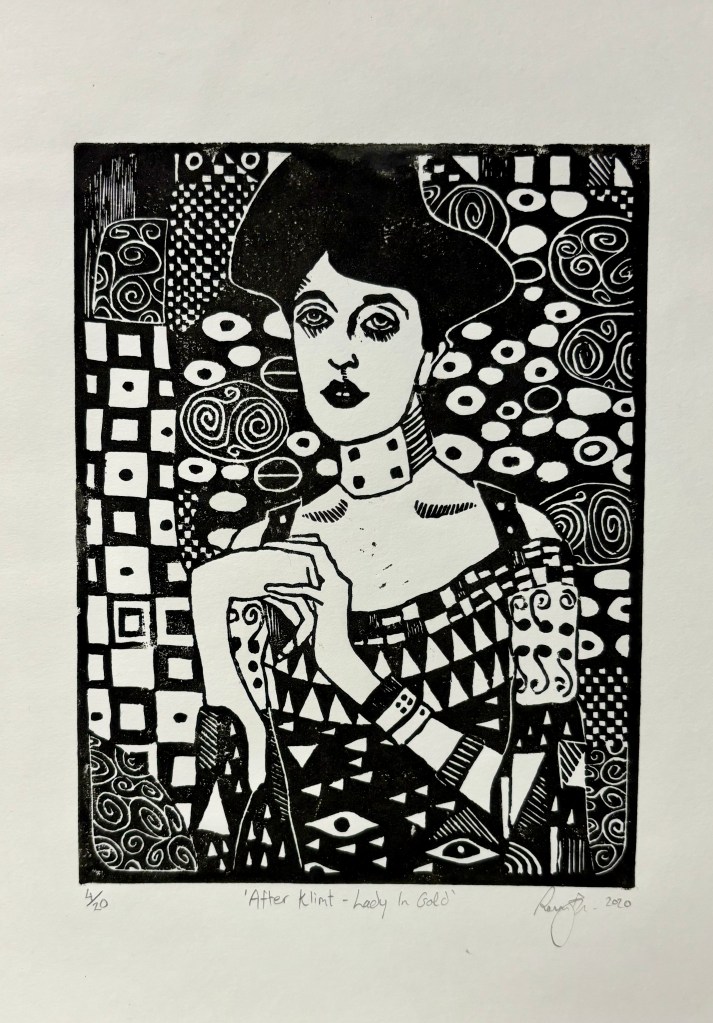
WHICH WAS A PAINTING LOOTED BY THE NAZIS
25 countries have so far endorsed these best practices, and Ireland is one of them. It is very difficult to find any information about Ireland’s participation in the Washington Conference in 1998 and it appears that we did not attend. There is no delegate statement from Ireland in the published material. The National Gallery of Ireland states that we did not attend but that they, the gallery, do apply the Washington Principles to claims, at least in the sense that “museums and galleries should seek to achieve a just and fair solution to ownership issues, while recognising that solutions may vary according to the facts and circumstances surrounding a specific case.” This doesn’t say that they subscribe to all principles however. They go on to explain their reasoning for refusing two restitution claims in 2012/2013.
It would be interesting to see if the new ‘best practice’ guidelines would change those outcomes at all. I asked the National Gallery if they have received any other restitution claims related to Nazi looted art. They confirmed that they had only two claims, which are set out on their website.
The Hunt Museum in Limerick has returned one piece that I can find information on, and separately, also engaged in a lengthy overview of its own background after Simon Wiesenthal Centre made accusations about the Hunts and the collection.
It does not appear that Ireland has taken any steps at a governmental level to implement the principles and we have not established any type of body responsible for adjudicating claims such as those in other countries mentioned above. This does not seem in any way adequate and results in a form of self-policing by museums, with no independent oversight or decision making.
The Washington Principles are of course, non-binding, but are increasingly seen as a necessary standard for museums and governments. Ireland has endorsed them, but that is an easy thing to do. What is needed is an examination of our collections, a transparent overview of the results, the establishment of an independent adjudication body, and clear guidelines for museums.
The New Advisory Committee on the Restitution and Repatriation of Cultural Heritage was established by the Heritage Council last year. It appears that its scope is broader than just Nazi-looted art, but hopefully it will deal proactively with these issues and recommend solid and clear proposals. In fact, the chair of the Irish committee is Sir Donnell Deeny, chair of the UK’s Spoliation Advisory Panel mentioned above. That at least certainly bodes well.
After a request to the Department of Tourism, Culture, Arts, Gaeltacht, Sport and Media, I was told that the Department of Foreign Affairs received a request from the US Embassy to endorse the updated Best Practice Washington Principles and that, ‘given that these principles broadly align with the work of the new Committee established by the Minister and on the advice of the Heritage Council, Ireland endorsed these principles’. They also point out that Ireland endorsed the 2009 Terezin Declaration which further articulates and expands upon the shared desire to achieve just and fair solutions to a number of issues surrounding Holocaust era assets. We must wait for the final report from the committee to see what further developments await.
The Washington Principles (1998) are:
- Art that had been confiscated by the Nazis and not subsequently restituted should be identified.
- Relevant records and archives should be open and accessible to researchers, in accordance with the guidelines of the International Council on Archives.
- Resources and personnel should be made available to facilitate the identification of all art that had been confiscated by the Nazis and not subsequently restituted.
- In establishing that a work of art had been confiscated by the Nazis and not subsequently restituted, consideration should be given to unavoidable gaps or ambiguities in the provenance in light of the passage of time and the circumstances of the Holocaust era.
- Every effort should be made to publicize art that is found to have been confiscated by the Nazis and not subsequently restituted in order to locate its pre-War owners or their heirs.
- Efforts should be made to establish a central registry of such information.
- Pre-War owners and their heirs should be encouraged to come forward and make known their claims to art that was confiscated by the Nazis and not subsequently restituted.
- If the pre-War owners of art that is found to have been confiscated by the Nazis and not subsequently restituted, or their heirs, can be identified, steps should be taken expeditiously to achieve a just and fair solution, recognizing this may vary according to the facts and circumstances surrounding a specific case.
- If the pre-War owners of art that is found to have been confiscated by the Nazis, or their heirs, can not be identified, steps should be taken expeditiously to achieve a just and fair solution.
- Commissions or other bodies established to identify art that was confiscated by the Nazis and to assist in addressing ownership issues should have a balanced membership.
Nations are encouraged to develop national processes to implement these principles, particularly as they relate to alternative dispute resolution mechanisms for resolving ownership issues.


Leave a Reply